

Introduction
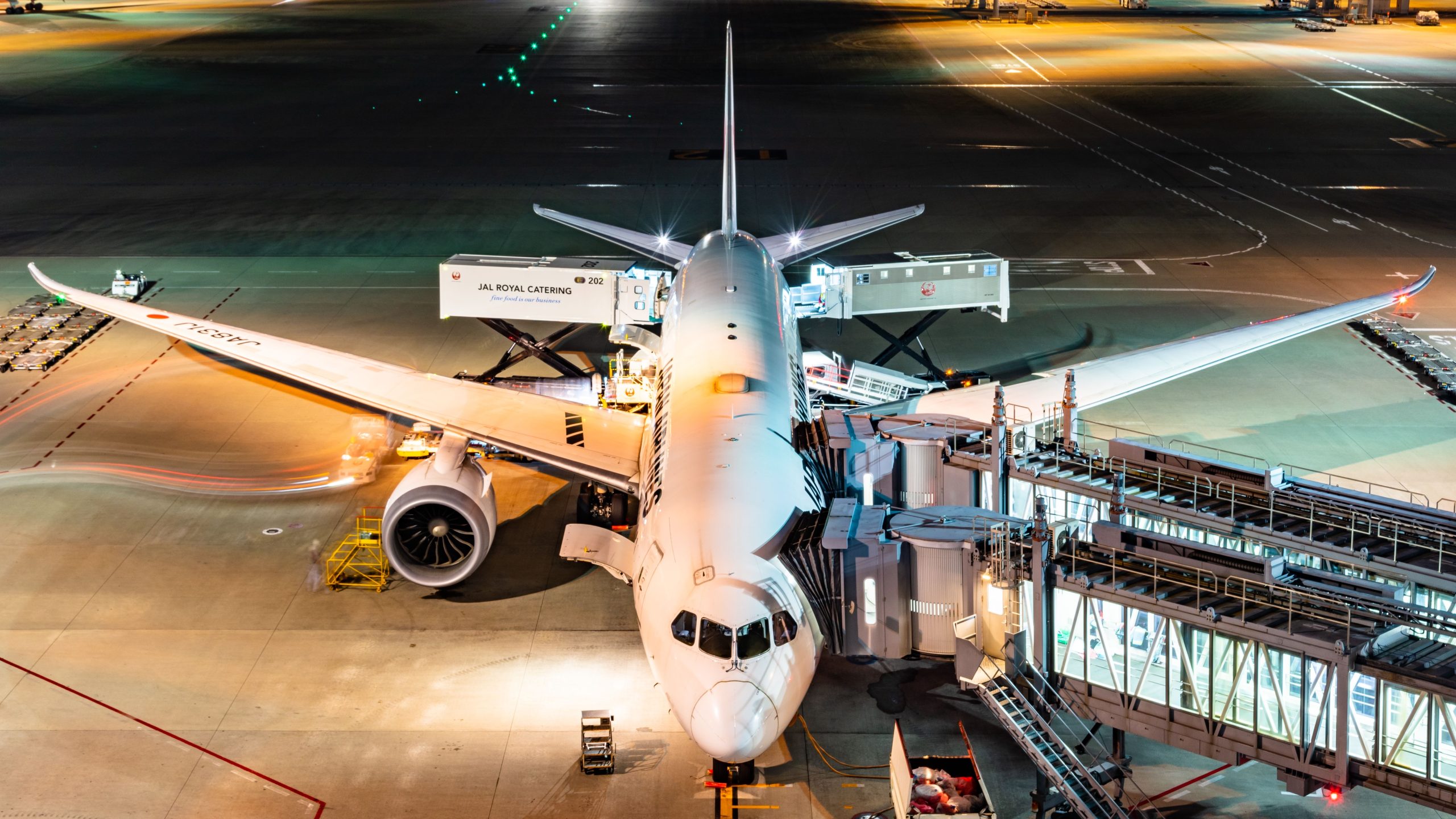
When most people think about air travel, they picture pilots in the cockpit or flight attendants assisting passengers in the cabin. However, every successful flight depends on a dedicated team working behind the scenes on the ground. These professionals ensure aircraft are fueled, loaded, inspected, serviced, and ready to depart safely and on schedule. Without their efforts, the aviation industry simply could not function.
Ground team members play a critical role in maintaining airport operations and supporting airlines around the clock. Whether working on the ramp, coordinating logistics, or managing safety procedures, these employees help create a seamless travel experience for passengers while ensuring strict aviation standards are met.
Understanding the Role of Ground Operations
Ground operations involve a broad range of responsibilities that keep aircraft moving efficiently between arrivals and departures. Team members may work in baggage handling, cargo operations, aircraft marshaling, fueling coordination, cabin servicing, or ramp management. Each position contributes to preparing an aircraft for its next journey.
These roles require attention to detail because every task affects flight safety and efficiency. A delayed baggage load, missed inspection, or communication breakdown can impact schedules across multiple flights. Ground personnel must therefore work together as a coordinated team while following established procedures and regulations.
In many airports, operations continue 24 hours a day. Team members often work rotating shifts, including nights, weekends, holidays, and during challenging weather conditions. Flexibility and reliability are essential qualities for anyone considering a career in aircraft ground operations.
Technical Skills and Equipment Knowledge
Modern aviation relies heavily on specialized tools, vehicles, and systems. Ground personnel must understand how to safely operate equipment used around aircraft and airport facilities. Training programs typically cover ramp safety, vehicle operation, aircraft servicing procedures, and emergency response protocols.
A key part of the job involves working with aircraft ground support equipment, which includes tow tractors, baggage loaders, belt conveyors, power units, deicing equipment, and other machinery that assists aircraft while they are parked at the gate or on the ramp. Proper use of this equipment helps maintain efficiency while reducing risks to personnel and aircraft.
Although many positions provide on-the-job training, employers often value candidates who demonstrate mechanical aptitude, technical awareness, and a willingness to learn new technologies. As airports continue adopting automated systems and digital monitoring tools, technological proficiency is becoming increasingly important.
The Importance of Safety and Communication
Safety is the foundation of every aviation role. Ground team members operate in environments where large aircraft, moving vehicles, and heavy equipment create potential hazards. Following procedures carefully is not optional. It is an essential requirement of the job.
Employees receive extensive training on workplace safety practices, hazard recognition, and emergency procedures. They learn how to maintain safe distances from aircraft engines, properly secure equipment, and communicate effectively during critical operations.
Strong communication skills are equally important. Ground teams regularly coordinate with pilots, dispatchers, air traffic personnel, maintenance departments, and fellow ramp workers. Clear communication helps prevent misunderstandings and ensures everyone remains informed about operational changes, weather conditions, or scheduling adjustments. Someone who can stay calm under pressure and communicate clearly can become a valuable asset to any airport operation.
Physical Readiness and Teamwork
Ground operation careers can be physically demanding. Workers frequently lift luggage, move equipment, stand for extended periods, and perform tasks outdoors in varying temperatures. Physical fitness and stamina help employees meet the daily demands of the role.
That said, physical strength alone is not enough. Success on the ground team requires exceptional teamwork. Aircraft turnarounds often follow tight schedules, meaning multiple departments must complete their responsibilities within a limited timeframe. Baggage handlers, fueling crews, cleaners, maintenance technicians, and gate personnel all depend on one another to achieve a successful departure.
Team-oriented individuals often thrive in these environments because they understand the value of collaboration. Employees who support coworkers, communicate effectively, and adapt to changing operational needs help create a stronger and more efficient workplace.
Career Development and Opportunities
Many people start in entry-level ground handling positions and gradually advance into specialized or leadership roles. Airports and airlines frequently promote employees who demonstrate strong work ethics, reliability, and a commitment to safety.
Career paths may include supervisory positions, operations management, dispatch coordination, maintenance planning, or airport administration. Some professionals use their ground operations experience as a stepping stone toward other aviation careers, including flight operations or air traffic-related positions.
The aviation industry also offers opportunities to work in different airport environments, from regional airports to major international hubs. As global travel continues to evolve, experienced ground personnel remain highly valuable because of their practical knowledge of airport operations and aircraft servicing procedures.
Continued training and professional development can further enhance career prospects. Certifications, safety qualifications, and specialized technical training may open doors to higher-paying positions and leadership responsibilities.
Conclusion
Being part of the ground team for aircraft travel takes much more than simply working near airplanes. It requires dedication, technical knowledge, strong communication abilities, physical readiness, and an unwavering commitment to safety. Every departure and arrival depends on professionals who work behind the scenes to ensure operations run smoothly.
For individuals who enjoy fast-paced environments, teamwork, and hands-on responsibilities, a career in ground operations can be both challenging and rewarding. While passengers may never see all the work taking place on the ramp, the efforts of ground teams remain essential to keeping the aviation industry moving safely and efficiently every day.
