

Introduction
Planning a wedding is one of the most exciting experiences a couple can share, but it can also feel overwhelming without a clear plan. From selecting a venue to finalizing guest lists, there are countless details that contribute to a successful ceremony and celebration. The key to reducing stress is creating a comprehensive checklist and tackling each task step by step.
Whether you’re organizing a large formal event or an intimate gathering with close family and friends, careful preparation helps ensure that your special day reflects your vision. By focusing on the essential elements first, couples can stay organized, manage their budgets effectively, and enjoy the planning process with greater confidence.
Selecting the Perfect Venue and Date
One of the first and most important decisions involves choosing a wedding date and venue. These two elements influence nearly every other aspect of the event, including guest availability, vendor scheduling, and overall atmosphere.
When evaluating venues, consider factors such as location, capacity, accessibility, and available amenities. Some venues provide comprehensive wedding packages that include catering, décor, and event coordination, while others offer only the event space itself.
It’s also important to think about the season and potential weather conditions. Outdoor ceremonies can provide beautiful scenery, but it’s wise to have a backup option in case unexpected conditions arise. Booking early is typically recommended, especially for popular venues during peak wedding seasons.
Establishing these foundational details early gives couples a solid framework for making the rest of their wedding decisions.
Building Your Guest List and Sending Invitations
The guest list is another major component of wedding planning. The number of attendees often affects venue selection, catering costs, seating arrangements, and overall budgeting.
Start by creating a preliminary list of immediate family members, close friends, and other important guests. Once the list is finalized, couples can begin designing and sending invitations. Many couples choose to send save-the-date notices several months in advance, particularly when guests will need to travel.
It’s also helpful to establish a system for tracking RSVPs and meal preferences. Digital tools and wedding planning platforms can simplify this process and make communication more efficient.
Proper guest management helps create a smoother experience for both the couple and their attendees, ensuring everyone feels welcomed and informed throughout the planning journey.
Choosing Attire and Meaningful Wedding Details
Wedding attire is often one of the most anticipated elements of the planning process. Brides, grooms, and wedding party members typically spend time selecting outfits that reflect their personalities while complementing the overall theme of the ceremony.
In addition to clothing, many couples carefully choose accessories that hold sentimental value. Jewelry, family heirlooms, and personalized pieces can add meaningful touches to the occasion. Wedding bands are particularly significant because they symbolize commitment and the beginning of a new chapter together. Today’s couples enjoy a wide range of styles and customization options, including traditional bands, modern designs, and specialized choices such as gay wedding rings that reflect individual preferences and personal identities.
Finalizing attire well in advance allows enough time for fittings, adjustments, and any unexpected changes before the wedding day arrives.
Hiring Key Vendors and Service Providers
Professional vendors play a major role in bringing a wedding vision to life. Once the venue is secured, couples should prioritize booking essential service providers as early as possible.
Photographers and videographers are often at the top of the list because they preserve memories that will be cherished for years. Caterers, florists, entertainment providers, and officiants are also critical components of many wedding celebrations.
When evaluating vendors, it’s important to review portfolios, read client testimonials, and discuss expectations in detail. Clear communication can help prevent misunderstandings and ensure everyone shares the same vision for the event.
Creating contracts and maintaining organized records of deposits, payment deadlines, and contact information can make the planning process significantly more manageable.
Planning the Ceremony and Reception Experience
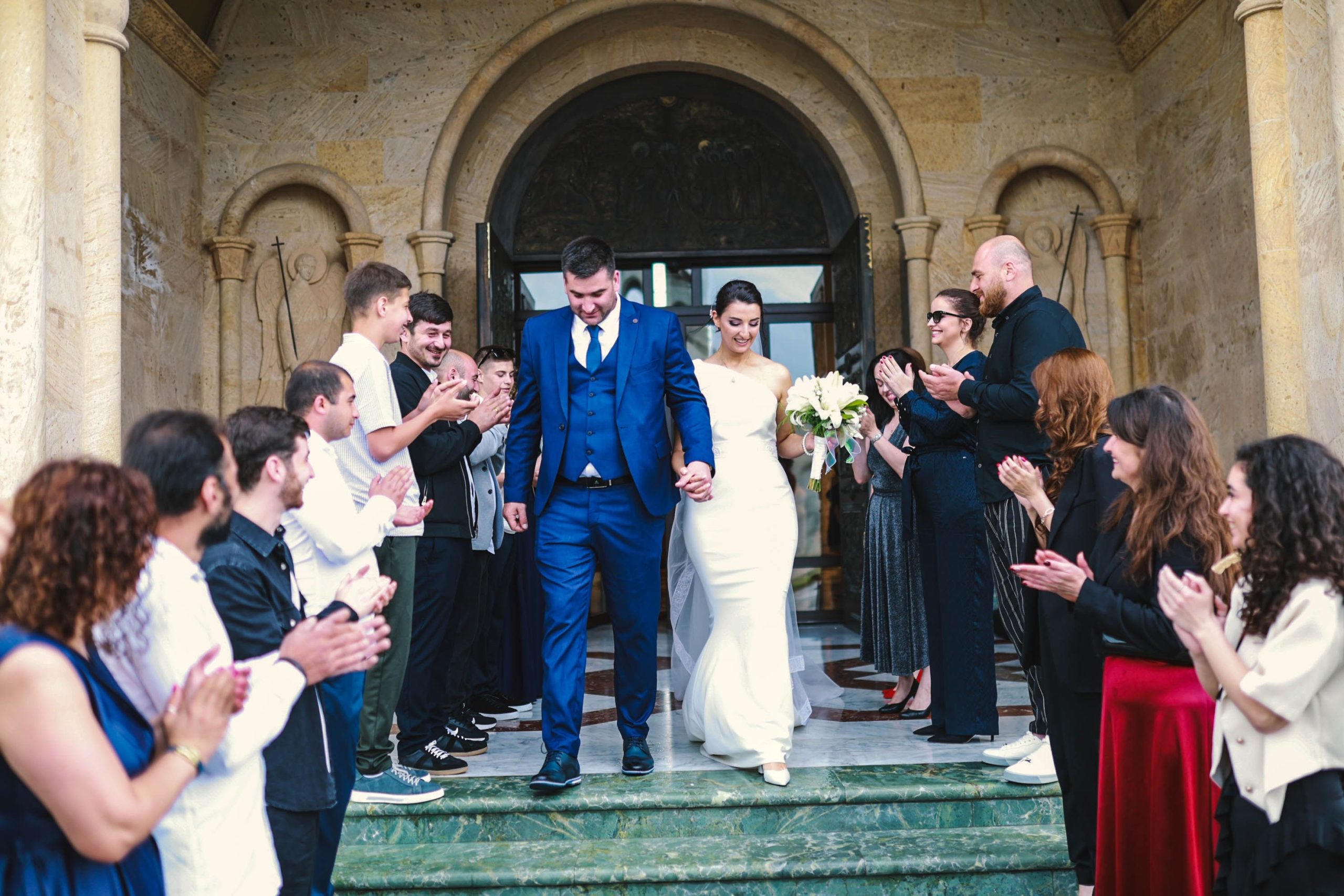
The ceremony itself deserves thoughtful attention. Couples should collaborate with their officiant to determine the structure of the service, including readings, music selections, vows, and any cultural or religious traditions they wish to include.
Equally important is the reception experience. Seating charts, menu choices, entertainment schedules, and décor all contribute to the atmosphere guests will enjoy after the ceremony concludes. Many couples create detailed timelines to ensure the day flows smoothly from one event to the next.
Small details can make a big difference. Welcome signs, favors, personalized speeches, and carefully selected music often leave lasting impressions on guests.
Conclusion
A successful wedding ceremony begins with thoughtful planning and careful organization. From choosing the right venue and managing guest lists to selecting attire, hiring trusted vendors, and creating a memorable ceremony, each item on a wedding checklist contributes to the overall experience.
While planning can sometimes feel demanding, approaching the process one step at a time helps transform a long list of responsibilities into an exciting journey. By focusing on the essentials and staying organized, couples can create a beautiful celebration that reflects their love story and provides lasting memories for everyone involved.
